← 返回画廊
Use the supplied image as the absolute authority for the cen
提示词来自 @HexMethod 的原推 ↗ · ❤️ 53 · 版权归原作者所有
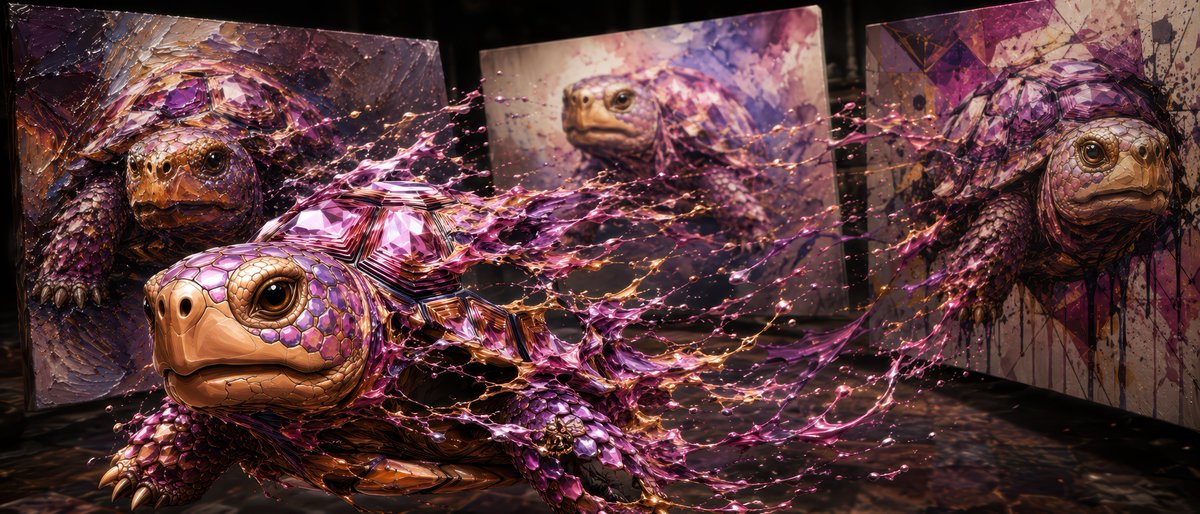
Use the supplied image as the absolute authority for the central character’s identity, species, anatomy, facial structure, body proportions, silhouette, hairstyle or head shape, expression language, distinctive features, color palette, material cues, symbolic motifs, and overall visual presence. Preserve clear recognizability. Do not copy the supplied pose, background, camera angle, or outfit unless specifically requested.
The character must be unmistakably adult. Preserve the character’s established gender presentation, species, body logic, anatomy, non-human traits, and identity-defining features. Retain unique skin markings, scars, tattoos, pigmentation, textures, facial markings, body markings, prosthetics, cybernetics, horns, ears, antennae, tails, wings, fins, claws, armor pieces, jewelry, masks, helmets, visors, hoods, eyepatches, headpieces, and all other permanent or distinctive traits. Do not humanize, simplify, relocate, replace, or remove them.
Eyes and Coverings
Preserve the original eye state exactly.
If one or both eyes are closed, keep them closed. If the eyes are hidden, covered, masked, shadowed, obscured by hair, concealed by a visor, or blocked by another design element, keep them hidden. Do not reveal, invent, open, duplicate, relocate, or reinterpret hidden eyes.
If the eyes are visible, preserve their exact shape, color, sclera, iris pattern, pupil shape, markings, glow, asymmetry, heterochromia, and other distinctive details.
Do not remove masks, helmets, visors, hoods, eyepatches, veils, or headpieces. Do not invent or reveal facial features beneath an existing covering.
Visual-World Inheritance
The generated image must inherit the supplied image’s color palette, design language, lighting language, material cues, textures, decorative motifs, symbolic motifs, shapes, patterns, and overall aesthetic identity.
Reinterpret these qualities throughout the character, dissolving paint, canvases, painted portraits, environment, lighting, and atmosphere so the result feels unmistakably derived from the supplied image’s visual world. Do not impose an unrelated generic palette or style.
Scene and Composition
Create a cinematic close-up of the character front and center, framed approximately from the upper torso to above the head.
Place exactly three large paint canvases in the background. All three canvases must be visible, readable, and compositionally connected to the central figure.
Use:
a dynamic Dutch angle
selective tilt-shift depth of field
cinematic dimensional lighting
strong movement from the character toward the canvases
clear separation between the living character, airborne paint, and painted portraits
The character’s physical form is transforming into paint that is being pulled backward through the air toward the three canvases.
This is subtraction, not addition. Paint may exist only where solid anatomy is actively converting or has already ceased to exist. Never place paint over intact flesh as a surface coating.
This must not resemble body paint, painted skin, decorative pigment, splashes resting on the body, transparent paint over intact anatomy, or a complete character merely standing in front of paintings.
Physical Transformation
Show a clear transformation gradient:
solid, realistic anatomy
anatomy softening into glossy pigment-like matter
anatomical volume stretching into viscous paint
body edges breaking into brushstrokes, filaments, ribbons, droplets, and liquid strands
complete negative space where the form has dissolved
The paint must emerge from within the character’s physical structure, as though skin, pores, shadows, highlights, hair, markings, surface textures, armor, or species-specific materials are directly converting into pigment.
Preserve the direction, contour, and three-dimensional volume of the anatomy during the early transition. The paint should initially follow the body’s form before stretching backward toward the canvases.
The silhouette must visibly erode. At least 25–35% of the visible silhouette must be physically absent as solid matter.
Remove substantial portions from several of these regions: shoulder, neck, upper torso, cheek, jawline, hair, head shape, accessories, or comparable species-specific structures. The background and canvases must be clearly visible through the missing areas.
Where the body has dissolved, show genuine empty space. Do not leave skin, anatomy, clothing, armor, transparent body structure, or a complete hidden silhouette beneath the paint. The edge of the remaining anatomy must terminate where conversion begins.
The dissolving matter may appear as:
viscous liquid strands
stretched anatomical ribbons
wet brushstrokes
suspended pigment droplets
fine paint filaments
torn sheets of color
fragmented textures derived from the supplied image
Keep recognizable identity details traceable through the transition. Tattoos, scars, patterns, scales, fur markings, cybernetic lines, and similar traits should deform naturally into paint rather than vanish arbitrarily.
Avoid blood, wounds, exposed organs, gore, or horror anatomy. The transformation must feel elegant, surreal, painterly, and physically impossible rather than violent.
The Three Canvases
Each canvas must portray the same supplied character in a different pose and a distinctly different art style.
The canvases do not need to reconstruct the specific missing portions of the central body. Prefer complete or independently composed painted portraits showing varied poses, expressions, framing, or viewpoints while preserving the same identity.
All three portraits must retain the character’s species, facial structure, eye state, coverings, markings, proportions, silhouette, permanent traits, and visual identity. They are painted representations only, not additional living characters.
The three styles must be visibly incompatible in technique, not merely different in pose, crop, texture, or color treatment. Use three clearly distinct approaches, such as:
heavily impasto expressive oil portraiture
soft atmospheric impressionism or watercolor
graphic abstract, cubist, ink-based, or experimental mixed media
Each canvas must still inherit the supplied image’s palette, motifs, materials, and design language. The shared identity and visual world should unite them despite the different painting techniques.
Airborne paint must visibly travel from the dissolving central character toward all three canvases, but each canvas may present its own independent pose rather than matching the missing anatomy.
Do not create clones, reflected figures, background people, or additional physical characters. There must be only one living central character.
Clothing and Body-Surface Rules
Do not copy the outfit from the supplied image.
Do not generate a replacement outfit.
Do not treat the transformation as clothing made of paint, paint laid over skin, or pigment decorating the body surface.
The visible body must read as the character’s real anatomy undergoing conversion into paint, not as a clothed or painted figure.
Do not copy the outfit from the reference. The figure should be rendered in a tasteful, non-explicit fine-art manner, using painterly occlusion, cropping, and abstract coverage to avoid explicit nudity.
Rendering Requirements
Use highly detailed, physically convincing rendering. Maintain believable anatomy and structural continuity in all intact regions.
Show:
realistic transitions from solid anatomy into pigment
wet paint viscosity and dimensional brushstroke thickness
clear depth within dissolving edges
suspended droplets with believable momentum
unmistakable negative space through missing body sections
background visibly seen through dissolved regions
coherent paint flow toward all three canvases
atmospheric depth and selective focus
strong identity preservation despite major silhouette loss
Hard Negative Rules
Avoid:
paint applied over intact skin
body paint or painted clothing
decorative splashes resting on the surface
intact or transparent anatomy beneath pigment
a complete silhouette hidden behind paint
superficial particle disintegration without real volume loss
minor edge fraying with no substantial missing anatomy
disconnected floating paint with no anatomical origin
fewer or more than three canvases
canvases using the same painting technique
unrelated faces or identities on the canvases
duplicate living characters
changed eye states
removed masks or coverings
invented facial features beneath coverings
lost markings or permanent identity traits
copied clothing
unrelated palettes or generic visual motifs
gore, blood, wounds, or exposed internal anatomy
The final image must clearly show one adult character losing substantial physical volume as their body converts into paint, leaving large readable gaps in the silhouette while the resulting pigment is pulled backward toward three canvases containing distinct painted portraits of the same character in different poses and art styles.
Aspect ratio: 21:9 ultra-wide.
@reallynunyaz99 @RhinoRocksX @Nodoka_Katana @RaelinAI
🖼️ 参考图(最多 3 张,选填):